
The best way to enjoy cooking as a hobby for one is to practise one small skill each week, buy ingredients that can cross several meals, and treat leftovers as planned components rather than evidence that you cooked too much. Solo cooking gives you unusual freedom: nobody is waiting for dinner, nobody objects to breakfast noodles, and a failed sauce disappoints an audience of exactly one.
The challenge is structure. Recipes are often written for four, supermarket packs can be awkward, and enthusiasm can fill a fridge faster than appetite empties it. A good hobby plan solves those practical problems while leaving room for curiosity.

Decide what you want the hobby to give you
Cooking can offer creativity, calm, cultural learning, better everyday meals, technical challenge, or a gentle route into social connection. Pick one main reason for the next month. It will help you choose projects and ignore the online recipes that look impressive but do not serve your life.
Use the Kumele hobby guide to compare the time, cost, energy, equipment, and social pressure of different hobbies. Cooking is especially flexible because practice can replace an ordinary meal. That does not make every dinner a hobby session. On busy nights, feeding yourself simply is enough.
Write a modest goal: “For four Saturdays, I will spend ninety minutes learning one technique and make two portions.” That is more useful than promising to become an expert or cook a new cuisine every night.
Build a tiny working kitchen
You do not need a showroom of single-purpose gadgets. Start with a stable chopping board, a comfortable sharp knife, one saucepan, one frying pan, a baking tray, a mixing bowl, a wooden spoon or spatula, measuring spoons, and containers suitable for the fridge or freezer. Add equipment only when a repeated project proves you need it.
Keep a small pantry of ingredients you already enjoy: rice, pasta or another grain; tinned beans or lentils; tomatoes; oil; vinegar; salt; pepper; two or three spices; and a freezer ingredient such as peas. Your list should reflect your diet, culture, allergies, budget, and local shops. There is no universal “proper pantry.”
Before buying, check cupboard, fridge, and freezer. Photographing the shelves can prevent the purchase of a fourth jar of cumin, a collection that begins innocently and ends with its own postcode.
Learn with ingredients that can change jobs
Choose a small group of flexible ingredients for each week. Roasted vegetables can become a warm bowl, omelette filling, soup base, pasta addition, or sandwich. Cooked beans can support a stew, salad, spread, or taco. Herbs can finish several dishes instead of appearing once and collapsing dramatically in the vegetable drawer.
Plan components, not identical meals. If you cook two portions of rice, use one with a stir-fry and cool the other safely for a different meal according to current food-safety guidance. If you roast a tray of vegetables, change the sauce, grain, or texture next time.
The UK Food Standards Agency publishes guidance on chilling, freezing and defrosting food safely. Storage times and advice vary by ingredient and jurisdiction, so check current local guidance, cool food promptly, label it, and discard anything unsafe or doubtful. A hobby should improve dinner, not turn the fridge into a microbiology practicum.
Week one: practise heat and timing
Choose one familiar vegetable and cook it two ways, such as roasting and sautéing. Cut pieces to a similar size, note the heat, set a timer, and taste at several points. Watch how colour, water loss, texture, and sweetness change.
Make a simple meal around the result with a grain, protein, or bread you already know. The point is not novelty everywhere. Keeping most of the plate familiar helps you notice the technique.
Record four lines afterward: what you used, how long it took, what changed, and what you would do next time. Avoid rating the meal as merely good or bad. “The pan was crowded, so the mushrooms steamed” teaches you something. “I am terrible at cooking” teaches nothing and is also rude to the person who just made your dinner.
Week two: build flavour in layers
Practise a base such as onion and garlic, toasted spices, a simple tomato sauce, or a dressing with oil, acid, salt, and a balancing ingredient. Taste before and after each change. Add seasoning gradually and write down approximate amounts.
Use one base in two formats. A tomato and bean mixture might become pasta sauce on Saturday and a baked dish on Monday. A lemon dressing can serve a grain bowl and later brighten cooked vegetables. This repetition trains your palate without forcing you to eat the exact same plate.
If you follow a restricted diet or manage a health condition, use guidance from an appropriate clinician or registered dietitian. General resources such as the NHS eating-well guidance can offer a broad starting point, but they do not replace personalised advice.
Week three: control texture
Choose one contrast: crisp and soft, creamy and fresh, tender and toasted. Make soup with a crunchy topping, beans with a sharp salad, noodles with quickly cooked vegetables, or a baked potato with a textured filling.
Texture often makes a small, simple meal feel complete. It also teaches timing. Add crisp elements late, rest roasted food where steam can escape, and avoid covering everything with one heavy sauce.
Cook two portions only if the second will keep well. Some components store better separately. Pack dressing away from leaves, crunchy toppings away from soup, and garnishes away from anything that will make them soggy.
Week four: cook one complete plate
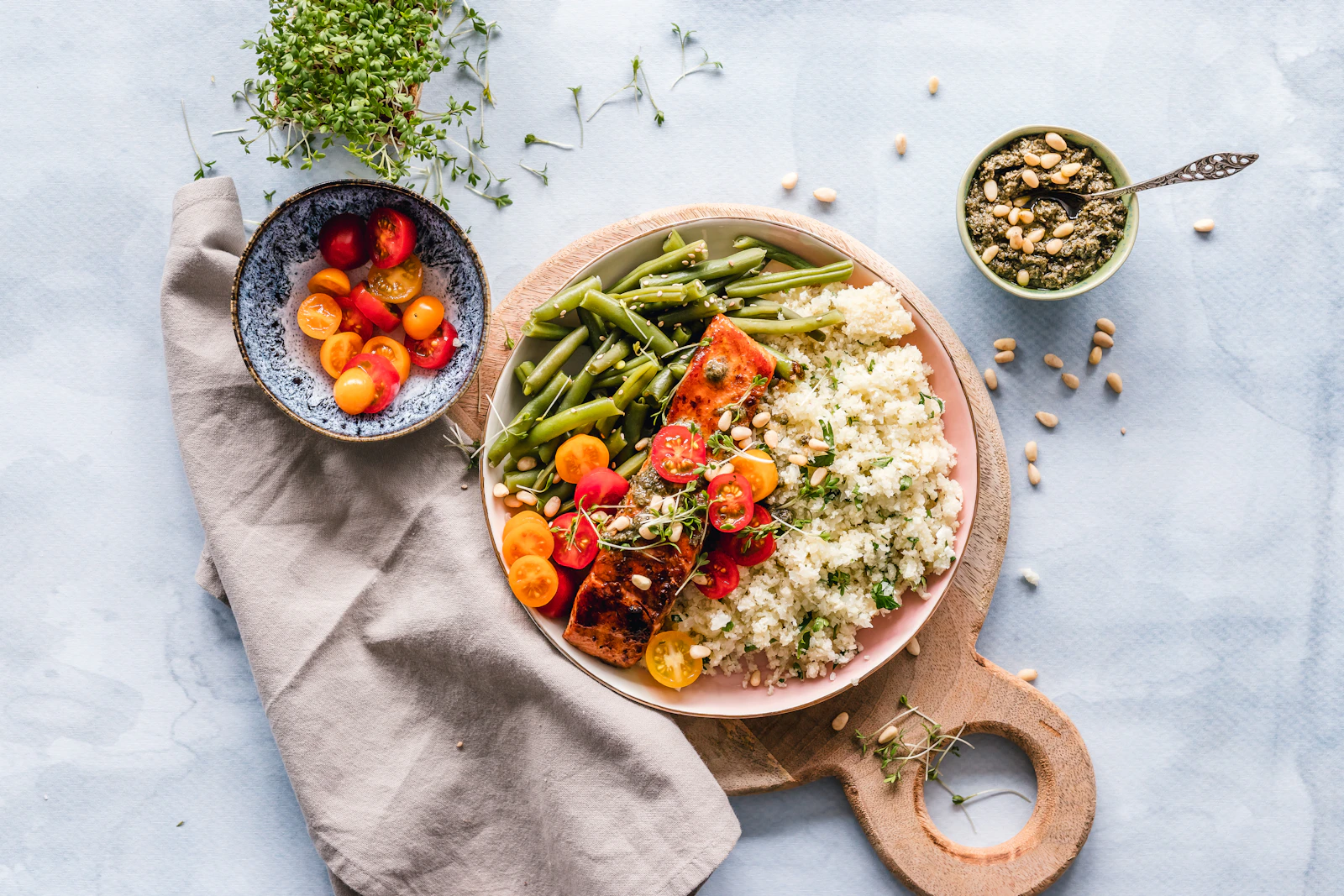
Design a meal using the techniques you liked most. Include a main element, at least one vegetable or fruit where appropriate, a flavour contrast, and a texture contrast. Make a written order of work so everything is ready at roughly the same time.
Set the table, even if it is a small corner of a desk cleared of chargers and unopened post. Eat without judging every bite. Then write what deserves repetition. A hobby grows through returning to useful ideas, not endlessly chasing first attempts.
Scale recipes with judgement
Halving a recipe is often possible, but not every ingredient scales neatly. Use the same pan only if the smaller amount still cooks correctly; a very wide pan may evaporate sauce too quickly. Watch cooking time instead of automatically cutting it in half. Baked goods and emulsions may need more precise ratios than soup or stew.
For eggs, tins, and other awkward units, choose recipes that use the full ingredient or plan the remainder immediately. Freeze labelled portions when the food is suitable. Keep a freezer list on the door so useful meals do not disappear into an archaeological layer beneath the ice tray.
When trying an unfamiliar recipe, read it completely, identify the perishable ingredients, and decide their second use before shopping.
Give solo cooking a social edge
Cooking alone does not have to remain private. Share a photo with a friend who enjoys food, exchange one recipe, invite somebody for a simple tasting, join a class, visit a market, or organise a monthly two-person cooking session. Keep the activity central so conversation has somewhere comfortable to land.
The Kumele food-hobby guide explores cooking, tasting, baking, markets, and other ways food can become a repeatable interest. If connection is part of your goal, the hobby friends guide explains why shared practice and repeated meetings often work better than forcing instant friendship.
When cooking for another person, ask about allergies, dietary needs, cultural or religious restrictions, and comfort with the plan. Do not treat a guest as an examiner. Choose something you have made once before and leave ambitious culinary theatre for another day.
Keep the hobby affordable and honest
Set a monthly experiment budget separate from ordinary groceries. Spend it on one ingredient, class, book, tool, or market visit that genuinely expands the practice. Borrow equipment when sensible and avoid buying a gadget because a thirty-second video made chopping an onion look like industrial hardship.
Track waste for two weeks. Note what spoiled, why, and what smaller quantity or earlier use would help. Buying loose produce, freezing portions, choosing long-lasting ingredients, and planning overlapping meals can make the hobby easier to sustain.
Success is not a restaurant-perfect plate. It is knowing more about heat, flavour, timing, storage, and your own taste than you knew last month.
Your next step: choose one ingredient and one skill
Pick a vegetable, grain, bean, egg dish, or other suitable ingredient you already eat. Choose one technique, buy only what the two-portion project needs, and reserve ninety minutes. Photograph the result, write four useful notes, and choose next week’s experiment before you clean up.
Kumele is being built around hobby matching by interests, age, location, and real-life plans. After your four-week practice, join the early hobby matching waitlist in your city through Amsterdam, Barcelona, Berlin, Lagos, or Lisbon if you would like to meet food-minded hobby friends for a class, market visit, recipe exchange, or shared table.
Cooking for one is not a lesser version of cooking. It is a small, forgiving studio where every meal can teach you something useful.